Hawaii and Alaska are the two destinations where car shipping stops looking like a simple road trip on a truck. Neither is unusual for a transport company that handles them regularly, but both involve steps a mainland move doesn't, and that changes what you should plan for.
Hawaii has no road connection to the mainland, so the vehicle crosses the ocean by ship. Alaska is reachable by road through Canada, but many destinations within the state are not, so shipments often combine a highway leg with a sea leg. Understanding which of those applies to you is the first step to a smooth shipment.
Tell us the vehicle, both addresses and your target dates, and we'll confirm the route, the ports and the transport legs involved, then quote it. Hawaii and Alaska shipments are routine for us. Quotes are free, with no obligation to book.
On a standard mainland move, the car goes onto a carrier and comes off at your new address. On a Hawaii or Alaska shipment, there's usually a handover between modes: a truck, a vessel or barge, and then another truck at the destination end.
Each handover is a point where your vehicle is moved, stored briefly or staged for the next leg. That's normal and well managed by experienced carriers, but it's why these routes take longer, cost more and need more advance planning than a cross-country drive.
Truck Leg
To the departure port or border
Vessel or Barge
The ocean crossing itself
Local Delivery
Port to your final address
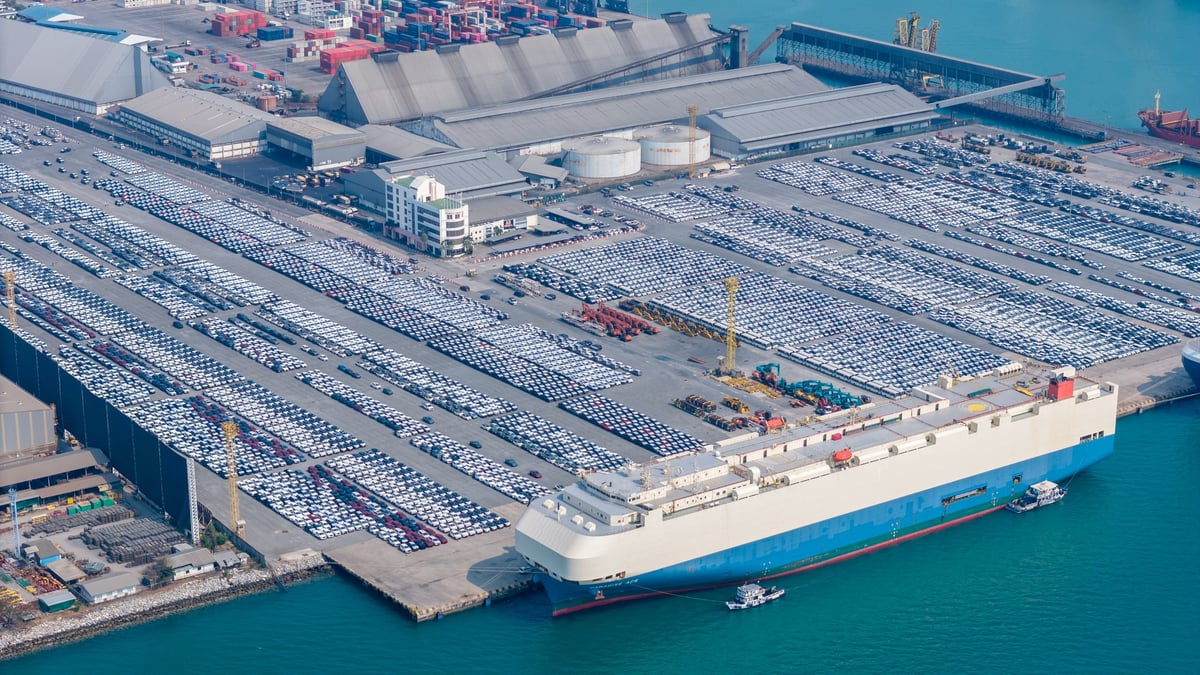
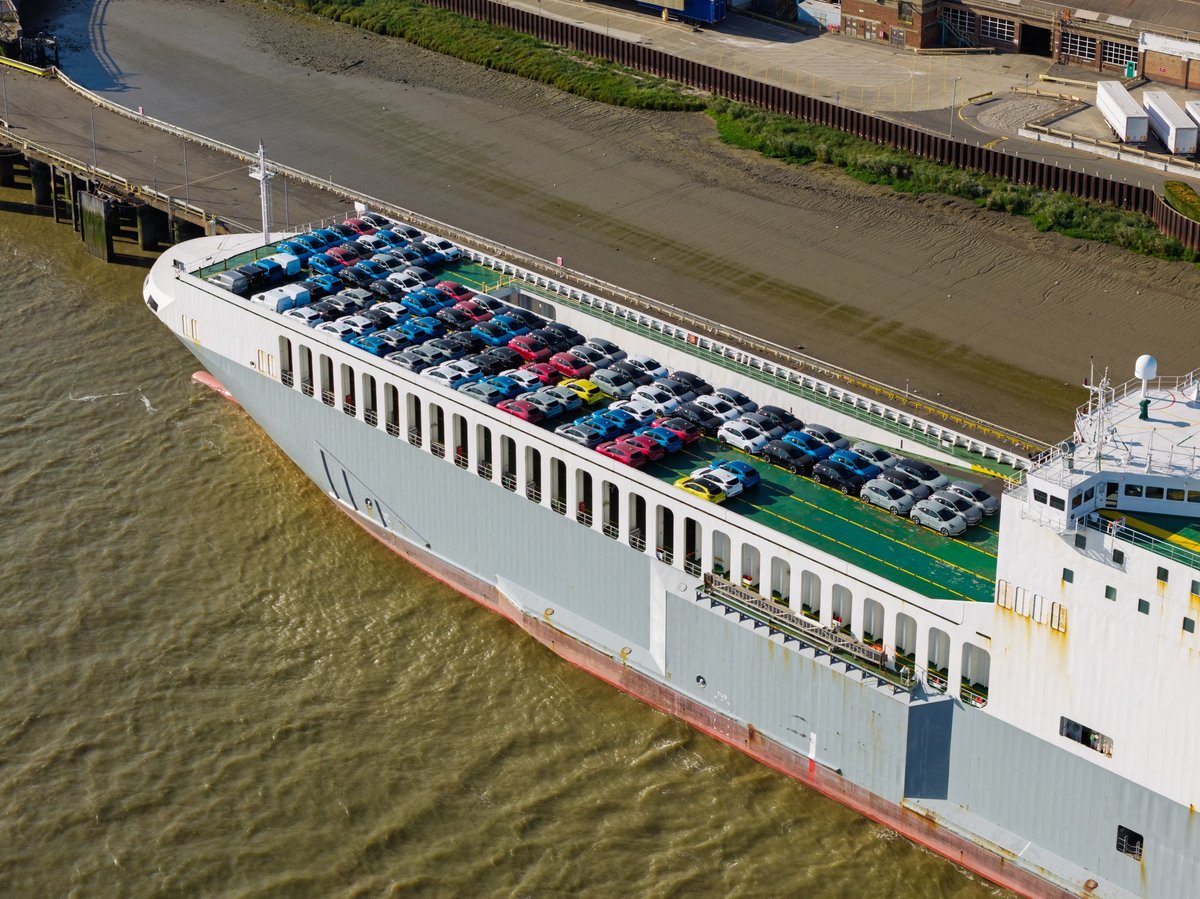
The vehicle travels from a mainland port to the islands by ship. Because there is no overland option, your timeline is tied to sailing schedules rather than truck availability, and port handling is part of every shipment.
The practical points to plan around
Moving the vehicle to the departure port and from the arrival port to your address are separate legs. Ask whether your quote covers them.
Capacity on a given sailing can fill up, especially in peak moving season. The earlier you book, the more sailings you have to choose from.
Getting the vehicle to a specific address on a specific island adds a local transport leg. Tell your carrier exactly where the car needs to end up.
An ocean crossing is an exposed environment for any vehicle, which is one more reason specialty vehicles benefit from enclosed transport where it's available.
Alaska gives you more than one route, which is why the plan matters more here than almost anywhere else.
The vehicle can travel overland on a carrier through Canada into the state. This is the straightforward option for destinations on the road system, and it's the one most closely resembling a standard long-distance shipment.
Sea legs serve destinations where road access is limited or impractical, depending on the port and the time of year.
Many shipments use both: a highway leg to a port, then a sea leg to the final region, then a local delivery run.
The single most important question for an Alaska move is whether your delivery address is on the road system.
If it isn't, even a small distance off the network turns a truck delivery into a multi-leg shipment, and that needs to be part of the quote from the start.
Quote My Alaska ShipmentThere's no flat rate here, for the same reason there isn't one on the mainland: a quote reflects the actual work your shipment requires. On island and non-contiguous routes, that work usually includes more of the following than a standard move.
Because more parties are involved than in a single truck haul, the range between the highest and lowest quote on these routes is often wider. That makes comparing what's included more important than comparing totals.
Plan around these, in roughly this order of influence:
Sailing or barge schedule for the sea leg, and how soon space is available
Port cut-off times, since a vehicle that misses its staging window waits for the next sailing
Weather and season, which can shift vessel schedules and road conditions in Alaska
Local pickup and delivery scheduling at both ends
How far ahead you booked
If your move is tied to a fixed date, such as a report date or a lease start, tell your carrier that up front. Working backwards from a hard date is how these shipments stay on track.
These habits apply to any shipment, and they matter more on multi-leg routes:
A clean vehicle makes the condition report accurate.
Household goods generally aren't allowed in shipped vehicles, and items left inside aren't covered.
Walk it with the driver at handover points and keep your copy.
If it doesn't, say so when you book.
They change how the vehicle is loaded.
As directed by your carrier.
Open transport is the standard choice and remains right for most vehicles heading to Hawaii or Alaska, including daily drivers and PCS moves.
The standard choice and the lower-cost option. Right for most vehicles heading to Hawaii or Alaska, including daily drivers and PCS moves.
Worth the extra cost when the vehicle is a classic, an exotic, a show car or anything with custom paint or a recent restoration. An ocean crossing exposes a vehicle to salt air, so collectors often prefer enclosure on these routes.
Enclosed capacity on island routes can be tighter, so ask early rather than late in the process.
Ask these on every island or overseas quote — the answers tell you what you're actually buying.
Are you licensed and insured, and what coverage applies to my vehicle?
Is my quote port-to-port or door-to-door, and what exactly is included?
Which port does my vehicle depart from, and which port does it arrive at?
What sailing or departure schedule am I working with, and what happens if it shifts?
Is my delivery address on the road system or does it need a sea leg?
Who handles the vehicle between the port and my door?
Who do I call while the car is in transit?
Top Auto Logistics ships vehicles door-to-door across all 50 states and internationally, including Hawaii and Alaska, using licensed, insured carriers. We handle both open and enclosed transport, and we'll tell you which service your vehicle and route actually call for.
We move daily drivers and specialty vehicles alike, along with military PCS shipments, snowbird and college moves, and dealership, auction and fleet vehicles. You get a dedicated point of contact from quote to delivery, quotes are free, and there's no obligation to book.
All 50 States
Hawaii & Alaska
Licensed & Insured
Dedicated Contact
The short version on the questions we hear most.
Tell us the vehicle, both addresses and your target dates, and we'll confirm the route, the ports and the transport legs involved, then quote it. Hawaii and Alaska shipments are routine for us. Get your free quote today.